Things to Do in Langkawi
Ninety-nine islands, duty-free gin, and the kind of quiet Thailand sold off decades ago.
Top Things to Do in Langkawi
Find activities and tours you'll actually want to do. Book through our partners -- no booking fees.


Plan Your Trip
Essential guides for timing and budgeting
Climate Guide
Best times to visit based on weather and events
View guide →Day Trips
The best excursions and nearby destinations worth the journey
Explore day trips →Where to Stay
Best neighbourhoods, hotel picks, and booking tips
Find hotels →Travel Insurance
What's required, what coverage matters, and how to get a quote
Read guide →What to Pack
Climate-specific gear, essentials, and what to leave at home
See packing list →When Should You Visit Langkawi?
Tap a month for weather, crowds, and highlights
View full year-round climate guide →Explore Langkawi
Eagle Square Dataran Lang
Landmark
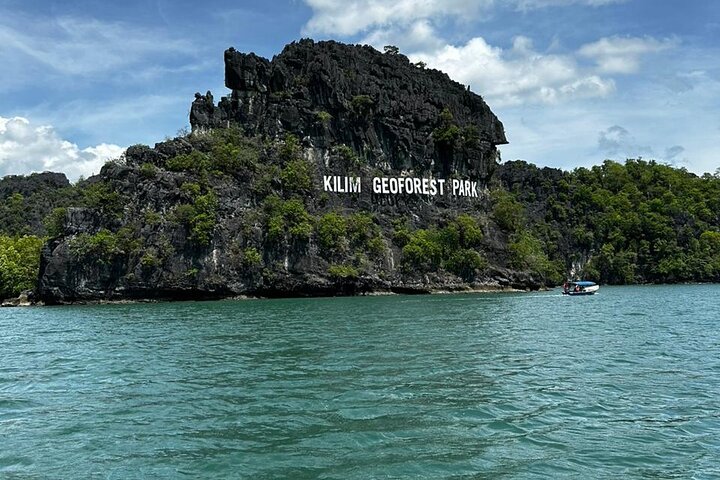
Kilim Karst Geoforest Park
Landmark
Langkawi Cable Car Skycab
Landmark

Langkawi Sky Bridge
Landmark
Seven Wells Waterfall Telaga Tujuh
Landmark
Kuah Town
District
Pantai Cenang
District
Pantai Tengah
District
Teluk Datai
District
Ulu Melaka And Padang Matsirat
District
Your Guide to Langkawi
About Langkawi
Langkawi hands you silence first. Real silence, not hotel hush. Fifty thousand people share five hundred square kilometres of jungle, mangrove, and Andaman coast. The ferry from Kuala Kedah slides into Kuah jetty where eagles wheel overhead and duty-free shops open before baggage claim. The island's trump card is geology: UNESCO Global Geopark.
Limestone karsts explode from the sea near Kilim River like relics from another epoch, because they are. Half-a-billion-year-old rock, wrapped in mangrove roots, with juvenile eagles close enough to shoot without a zoom. Pantai Cenang, the southwest tourist spine, stretches two kilometres of sand flanked by cheap guesthouses and beachfront seafood shacks where ikan bakar smoke drifts across the road after dark.
This is Langkawi's idea of crowded. Walk five minutes north to Pantai Tengah and the shore is almost yours. Trade-off: no party scene, no backpacker loop, little walkability beyond Cenang. You need wheels. Interior lanes snake past rubber and rice, a Malaysia light-years from KL's glass. Rent a scooter, head to Tanjung Rhu on the northeast tip where sand blushes white and shallows let you wade a football field offshore.
Veterans of Phuket, Bali, and Koh Samui settle here. Langkawi is where you land when you outgrow the scene.
Travel Tips
Transportation: Langkawi's buses are a myth. Taxis lack meters, so every fare is a debate you'll pay to lose. Rent instead. Scooter shops line Pantai Cenang's main drag. Daily rates are low, roads flat, asphalt smooth, traffic thin beyond Cenang. Grab works. But signal fades after dark or north of Kuah. Coming by ferry? Book your wheels for jetty pickup. The island is bigger than it looks. Forty minutes coast to coast. Walking beyond one beach equals melting in equatorial sun.
Money: Duty-free is the first thing you smell: cheap gin at the pier. Alcohol, chocolate, and cigarettes cost far less than on the taxed mainland. Food, beds, and rides stay mainland-priced. ATMs huddle in Kuah and along Cenang. Beyond that, carry cash. Hawker stalls and small seafood shacks take paper only. Resorts and big restaurants swipe plastic, but mom-and-pop shops may add a fee. Your ringgit stretches further here than on Thai islands where tourist inflation tacks on thirty percent.
Cultural Respect: Langkawi is Malay Muslim first, beach destination second. Bikinis stay on the sand, not in Kuah or at night markets. Ramadan, a shifting month, bans public eating by day. Tourist venues still serve. Alcohol flows duty-free, but don't swig outside mosques or in kampung lanes. Locals will glare. Shoulders and knees covered for mosque visits. Fridays stall between noon and two for prayers. English works for change, yet a crisp terima kasih or relaxed tak apa often scores the local price at stalls.
Food Safety: Eat outdoors or follow the rotating night markets. Thursday in Temonyong is king: a kilometre of stalls, satay smoke, caramel kuih, chilli sting in the air. Cenang beachfront restaurants display iced fish on plastic tables. Point, pick grill or steam, kick off your shoes, eat twenty minutes later with sand between toes. Laksa here swims in coconut milk with shredded fish, unlike Penang's sour version, served at hawker carts that look temporary but predate most tourists. Tap water is off limits. Buy bottles. Heat sneaks up. Hydrate hard.
When to Visit
Langkawi's weather splits into two clean seasons, and picking wrong means rain that arrives not as afternoon showers but as grey-curtain downpours that last three days and close the cable car. The dry season runs December through March, when humidity drops to something approaching tolerable, temperatures sit around 30 to 33 degrees Celsius (86 to 91 Fahrenheit), and the Andaman Sea flattens into the kind of turquoise that photographs well without a filter.
This is peak season, obviously, and accommodation prices on Pantai Cenang and at the luxury resorts along Datai Bay climb accordingly, sometimes forty to fifty percent above shoulder-season rates. January and February are the driest months and the hardest to book last-minute. Book early. The shoulder months of April and May bring increasing humidity and occasional afternoon storms.
But mornings stay clear, beaches empty out, and resort prices drop noticeably. Water visibility for snorkelling around Pulau Payar Marine Park peaks in March and April before the monsoon stirs sediment. June through September is the southwest monsoon, which sounds worse than it is. Rain comes in bursts, rarely all day, and temperatures hover around 31 to 34 degrees Celsius (88 to 93 Fahrenheit).
The island functions normally, most attractions stay open, and you'll share Tanjung Rhu with almost nobody. Budget travelers do well here, with accommodation at its cheapest and restaurants competing harder for fewer customers. October and November are difficult. The northeast monsoon arrives with force, seas turn rough enough that island-hopping boat tours cancel regularly, and the cable car closes during high winds, which blow frequently.
Rainfall can hit three hundred millimetres in a single month. Some beachfront restaurants shutter entirely. That said, Kilim Geoforest Park's mangrove tours run regardless since the karsts shelter the waterways from wind, and the waterfalls at Temurun reach their most dramatic flow. The LIMA air show, held biennially at the end of November or early December, brings crowds and price spikes to an otherwise dead period.
Hari Raya Aidilfitri, the celebration ending Ramadan, shifts annually by the lunar calendar and fills accommodation across the island as Malaysian families holiday domestically. For most travelers, February or early March hits the sweet spot: reliably dry, warm without the brutal April humidity, and late enough that the Christmas-New Year increase has cleared.
More Ways to Experience Langkawi
Tours, day trips, and local experiences curated by on-the-ground operators.
Didn't see anything interesting yet?
Browse Viator's full catalog of tours, day trips, food experiences, and private guides in Langkawi.
See All Langkawi Tours on Viator