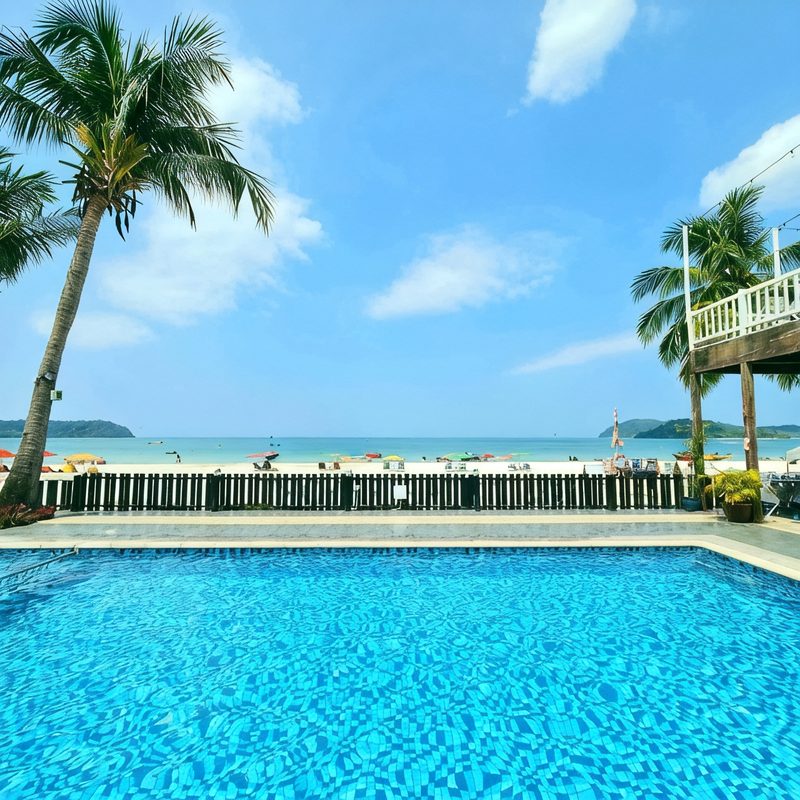

Things to Do in Langkawi in February
February weather, activities, events & insider tips
Shoulder Season · Good Value
February Weather in Langkawi
Temperature, rainfall and humidity at a glance
91°F (33°C)
High Temp
75°F (24°C)
Low Temp
1.3 inches (33 mm)
Rainfall
70%
Humidity
⚠ High UV exposure defines the island. Unprotected skin burns in under 20 minutes between 11 am-3 pm. Reapply every hour. Hats are not optional. Water reflects rays upward.
Is February Right for You?
Weigh the advantages and considerations before booking
Advantages
- + February lands the sweet spot. Northeast monsoon dry air lingers; pre-equatorial heat has yet to build. Skies stay postcard-blue. The Andaman Sea drops to pool-glass calm. Boat trips to Pulau Paya's coral gardens glide like glass.
- + Chinese-New-Year week (late January-mid February, lunar calendar) turns Kuah's Eagle Square and Pantai Cenang into lantern-lit street theaters. Lion-dance drums echo over the tide. Hotels hand out free mandarin-orange baskets. Crash temple fairs at Wat Koh Wanararm. No tourist ticket needed.
- + Room rates still sit in shoulder-season territory. Expect 30-40 % below Christmas peaks. The mainland mountains' rain-shadow keeps Langkawi drier than Phuket or Penang at the same latitude.
- + Mangrove tours leave Kilim Geopark at high-sun. Limestone caves light like cathedral naves. February's lower river lets kayaks slip into sea-eagle nests. Those same sites flood out in September.
Considerations
- − UV index 8 is no joke. Burn time drops under 20 minutes at midday. The strait breeze tricks you into staying longer. Lobster-pink Europeans appear by day two.
- − Evenings feel sticky at 75 °F (24 °C) and 70 % humidity. Air-con turns from friend to essential. Beach bars empty by 10 pm when the air goes dead calm.
- − Singapore and KL school holidays spill into the first two weeks. Pantai Cenang's 2-km (1.2-mile) strip becomes a conveyor-belt of flip-flops. Sunset tables demand a 30-minute wait without reservation.
Best Activities in February
Top things to do during your visit
Kilim Karst Mangrove Kayak Tours
February neap tides slacken currents inside limestone tunnels. Paddle the 5-km (3.1-mile) loop from Gua Kelawar to the floating fish farm without fighting flow. Morning slots (8-10 am) keep overnight cool. Eagles dive for surface fish. Guides cut engines so you hear wing-beats.
Booking Tip: Pick operators that pack dry bags and binoculars. Book 3-4 days ahead. Park permits cap group size. Check the widget below for licensed Kilim Geopark guides.
Pulau Payar Snorkel & Dive Day Trips
Andaman visibility peaks at 25 m (82 ft) in February. Water holds at 29 °C (84 °F); a rash vest is enough. Rangers close the reef June-August for regeneration. Winter visitors score the healthiest coral and the best shot at black-tip reef sharks in the channel.
Booking Tip: Speedboats quit Telaga Harbour at 9:30 am. Choose crews that include eco-levy and platform buffet. Spaces sell first. Scan departures in the booking section.
SkyCab & SkyBridge Dawn Slot
Morning thermals stay gentle before 10 am. The cable car sways less. The summit rises above dawn cloud sheets over Mat Cincang. February air is dry. The glass deck stays clear for that 708 m (2,323 ft) vertical-drop selfie.
Night Market Food Crawls (Pekan Rabu & Temonyong)
Evenings cool to a breezy 27 °C (81 °F) by 7 pm. Outdoor stalls feel comfortable. Your soup stays sweat-free. Thursday's rotating market in Kuah fires up Kelantanese ayam percik (charcoal coconut-milk chicken). Follow the smoke plume and the line of civil servants still wearing office badges.
Booking Tip: No guide needed. Just show up after sunset with small notes. Prefer translations? Licensed culinary guides run evening tours. Current listings appear in the booking area.
Sunset Sail & Salt-Water Jacuzzi on Catamaran
February sun drops at 7:25 pm straight into the Malacca Strait. Limestone outcrops flash bronze. The sea stays flat. Netted trampolines ride the bow. Lie inches above 29 °C (84 °F) water and watch flying fish skip. Squalls usually hold off until after 8 pm. The sky paints a full magenta-to-indigo gradient.
Booking Tip: Shared cruises cap at 18 passengers. Private charters make sense for four or more. Boats leave Awana Porto Malai at 5 pm. Live inventory waits in the widget.
Explore More Activities in Langkawi
Didn't see anything interesting yet?
Browse Viator's full catalog of tours, day trips, food experiences, and private guides in Langkawi.
See All Langkawi Tours on ViatorWhere to Stay in Langkawi in February
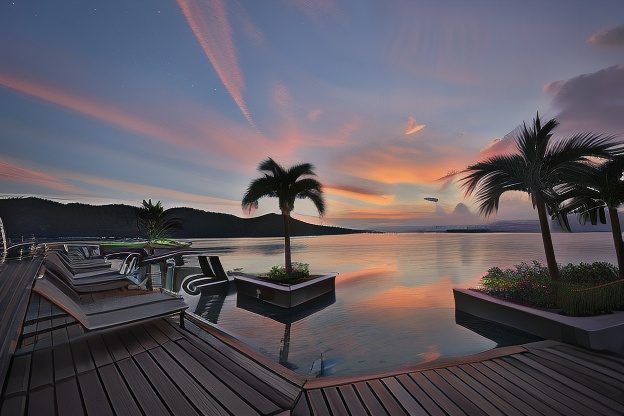
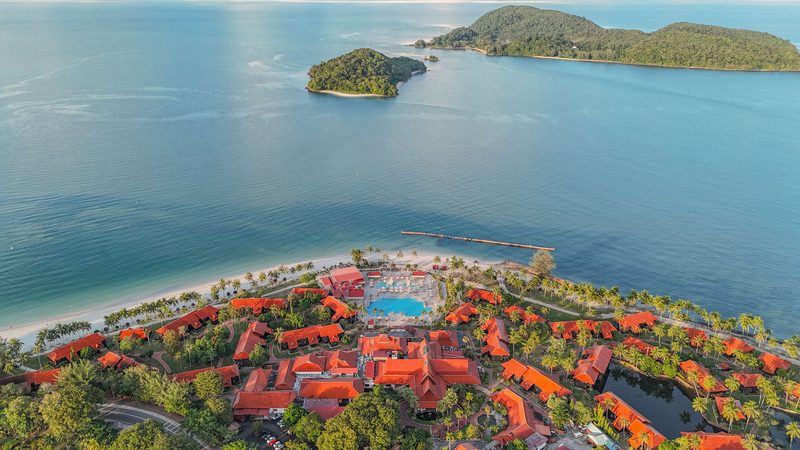
Hand-picked hotels across price tiers for February travellers.
Public Holidays in February
Dates that affect opening hours, transport and crowds
Chinese New Year
Observed nationwide as a public holiday. This date depends on observation rather than a fixed calendar, so confirm it locally closer to the time. Date not yet confirmed.
Chinese New Year (Second Day)
Observed nationwide as a public holiday. This date depends on observation rather than a fixed calendar, so confirm it locally closer to the time. Date not yet confirmed.
Chinese New Year (Second Day)
Observed nationwide as a public holiday. Granted in lieu when the holiday falls at a weekend. This date depends on observation rather than a fixed calendar, so confirm it locally closer to the time. Date not yet confirmed.
Eid al-Fitr
Observed nationwide as a public holiday. This date depends on observation rather than a fixed calendar, so confirm it locally closer to the time. Date not yet confirmed.
Eid al-Fitr (Second Day)
Observed nationwide as a public holiday. This date depends on observation rather than a fixed calendar, so confirm it locally closer to the time. Date not yet confirmed.
Eid al-Fitr (Second Day)
Observed nationwide as a public holiday. Granted in lieu when the holiday falls at a weekend. This date depends on observation rather than a fixed calendar, so confirm it locally closer to the time. Date not yet confirmed.
Packing Checklist
Bookmark this page — your progress is saved between visits
Need the full list with shopping links?
Climate-specific gear, brand recommendations, and what to leave at home.
View Langkawi Packing List →Essential Tips
Insider knowledge and common pitfalls to avoid
Insider Knowledge
Car-rental booths inside the terminal close at 10 pm. Late flight? Pre-book an outfit that meets arrivals. The airport sits 17 km (10.5 miles) from Pantai Cenang. Unmetered taxis double the fare after midnight.
Langkawi's 'duty-free' label covers only sealed liquor and tobacco. Chocolates and perfumes often cost less in Kuala Lumpur. Comparison-shop before you fill the suitcase.
February tide tables show 1.8 m (6 ft) swings. Hit the beach two hours either side of low tide for the widest sand and best sand-dollar spotting at Tanjung Rhu.
Most resorts face west for sunset. Sunrise stays empty. Photographers score glass-calm reflection shots at 7 am on Pantai Kok with zero footprints in the frame.
Lightning shuts the cable car fast when barometric pressure dips. Download the Langkawi SkyCab app for live status before you drive 40 minutes from cenang. Storm cells form quickly here. Check the app again at the parking lot.
Avoid These Mistakes
Cheapest island-hopping tour costs less. But boats older than 2005 lack shade canopies. February sun is fierce. Ask the build year when you compare operators. That five-dollar saving can cost you a sunburn.
Dry season still brings rain. Afternoon cells build over the mainland mountains and roll across the strait. Keep a 60-minute buffer before any onward flight. Sky can blacken in minutes.
Dinner at 7 pm without reservation fails during Chinese New-Year week. Every beach restaurant runs set menus only. Walk-ins wait 45 minutes minimum. Book before you unpack.
Ready to plan your trip to Langkawi?
Now that you've got the research covered, here's where to go next.
Book Experiences in Langkawi
Top-rated things to do in Langkawi this February


